Date Published: 14/01/2026
Housewives in Spain can claim €629 pension each month in 2026
Thousands of women across Spain who dedicated their lives to unpaid domestic work can now claim non-contributory retirement benefit
For decades, millions of women across Spain have spent their lives running households and raising families
without any financial safety net for retirement. While their husbands contributed to Social Security through paid employment and built up pension rights, these women were left with nothing when it came time to stop working.
The traditional division of labour kept countless women out of the formal job market entirely. They cared for children, managed homes and looked after dependent relatives, all essential work that went completely unrecognised and unpaid by the state. The result is that thousands have now reached retirement age without qualifying for a standard contributory pension, leaving them financially vulnerable.
Although the Spanish labour market has transformed and women now participate in employment on nearly equal terms with men, the consequences of that earlier way of life persist. Many older women find themselves without the pension contributions needed to support themselves in retirement.
The non-contributory pension aims to guarantee a basic income and access to healthcare for elderly people without resources.In 2026, the annual amount stands at €8,803.20, which works out to roughly €628.80 per month spread across 14 payments.
Accessing this financial help requires meeting several conditions. The primary requirement is being 65 years old or over and having legally resided in Spain for at least ten years since turning 16, with two of those years being consecutive and immediately before applying. The non-contributory pension cannot be claimed alongside
other non-contributory benefits.
Income levels are also scrutinised. An applicant's annual earnings cannot exceed certain limits, with Social Security setting different thresholds depending on how many people live in the household and their combined income.
While the pension is commonly associated with housewives, other people can claim it too if they haven't reached the minimum 15 years of contributions needed for a standard pension. There's also a non-contributory option for people with disabilities between 18 and 65 who have a certified disability level of 65% or higher.
The application process varies by autonomous community because management of these pensions has been transferred to the regional authorities.
How you apply also depends on where you live. Some communities allow in-person applications, others require electronic submission and many offer both options. Before starting the process, it's worth checking the specific requirements with your regional authority. The Imserso website provides centralised links, addresses and contact details to help applicants work out where and how to submit their claim.
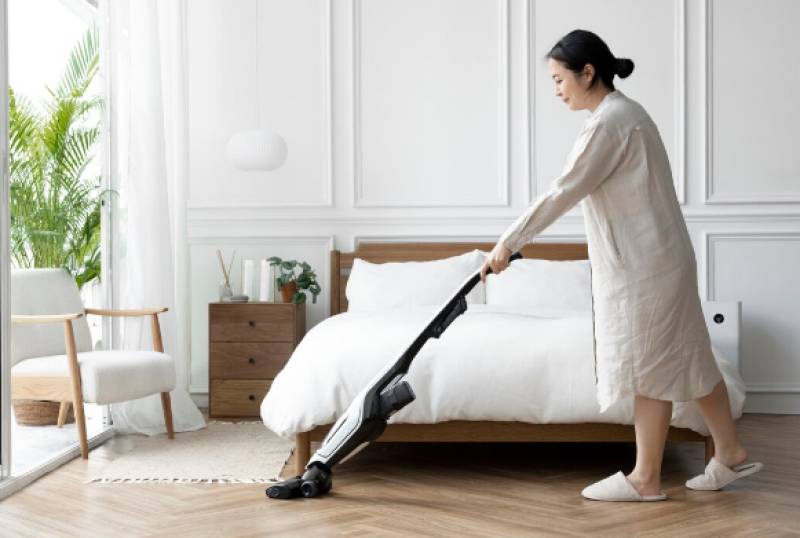
Image: Freepik
article_detail

|