
















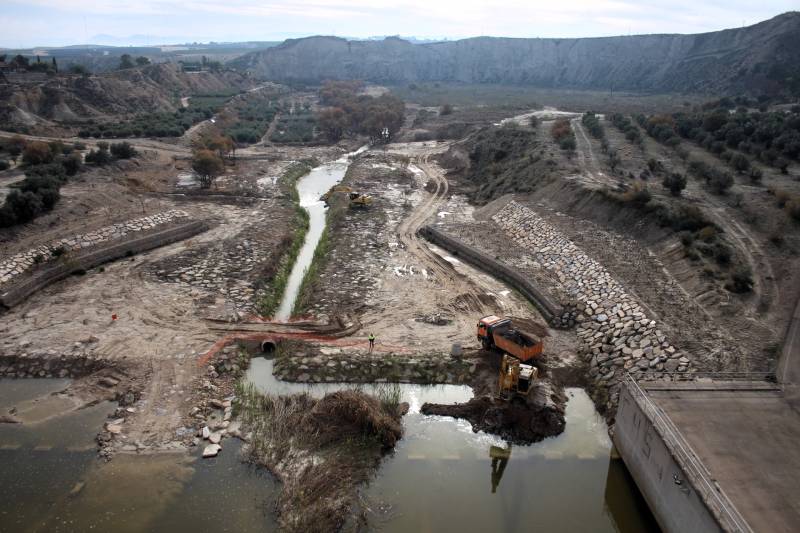
Restoration of the Río Mula river has begun, with over €2.8 million being spent to remove invasive cane species and bring back the river’s natural banks. The river has been affected by the spread of giant cane (Arundo donax), a tall, fast-growing reed originally from Asia that was introduced for fencing and riverbank protection in the past.
It spreads quickly, often carried by water or floods, forming dense stands that take over native plants, and it reduces wildlife and blocks the natural water flow.
The project, led by the Confederación Hidrográfica del Segura (CHS), the government body responsible for managing the Segura river basin, stretches from the La Cierva Reservoir to where the Mula River meets the Segura River, including specific work in the Rambla de Perea.
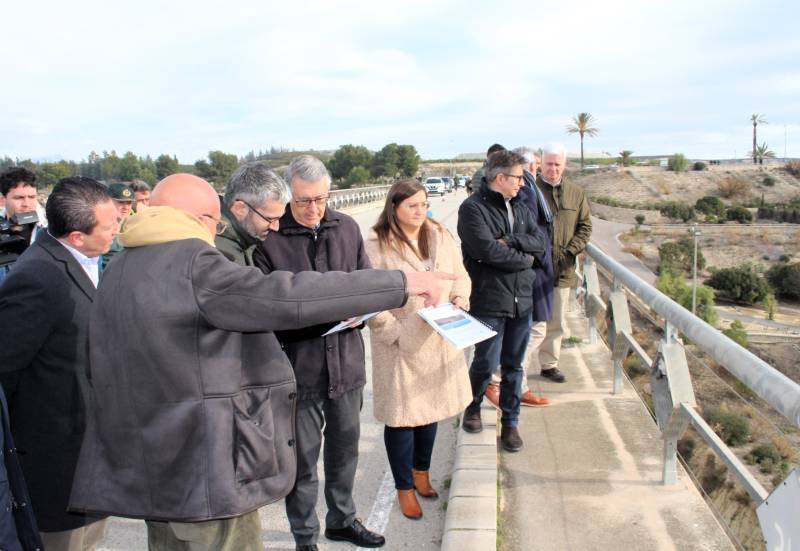
The work is split into two main sections. From Los Rodeos Reservoir to the Segura River, about €1.44 million is being used to improve drainage while restoring the riverside vegetation.
From La Cierva to Los Rodeos, €1.39 million is focused on completing the restoration along the river, so work is carried out consistently and continuously across the whole section.
The river has been struggling with the spread of this giant cane, which has taken over native plants, reduced wildlife, and blocked natural water flow. Clearing it will give native species a chance to return, helping local wildlife and reducing the risk of stagnant water or blockages during heavy rain.
The work involves mechanically clearing the cane and its roots, planting native trees and shrubs, improving low-water channels, stabilising riverbanks, and using bioengineering techniques to reduce erosion. Technical teams will keep an eye on the new plantings, carrying out maintenance and controlling any regrowth.
When the work is finished, the river will flow more naturally again, with greener banks that give the wildlife and plants space along the river. Over time, it should help the water run more smoothly, cut down the risk of flooding, and keep the surrounding environment and landscape in good shape for years to come.
Images: CHS
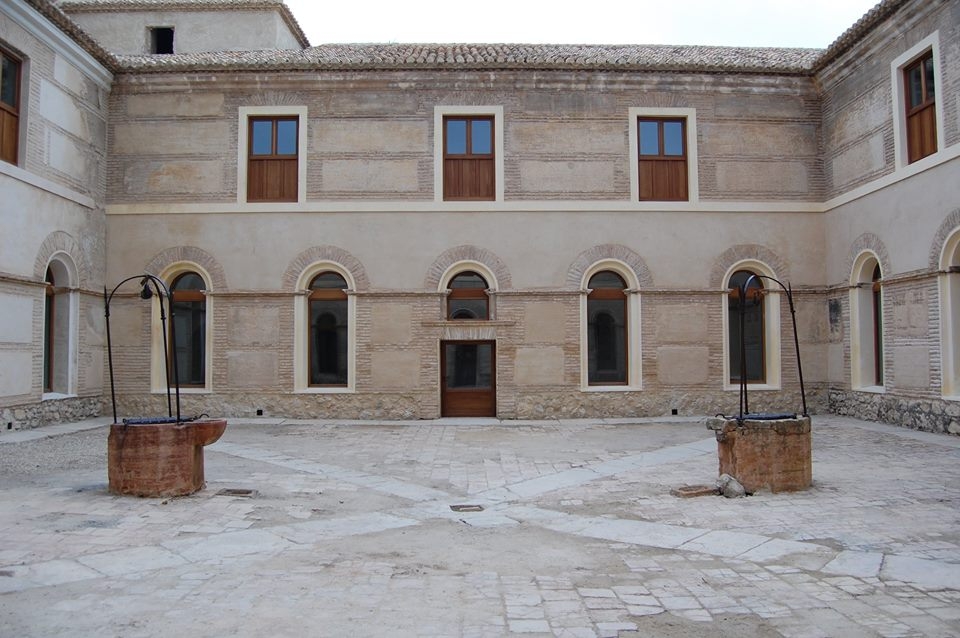
The Mula tourist office is located in the Convento de San Francisco in the centre of the town. There is some parking nearby, although those nervous about driving in narrow streets may prefer to park on the opposite side of the main road where there is considerably more space in the modern areas of the town and walk up to the tourist office.
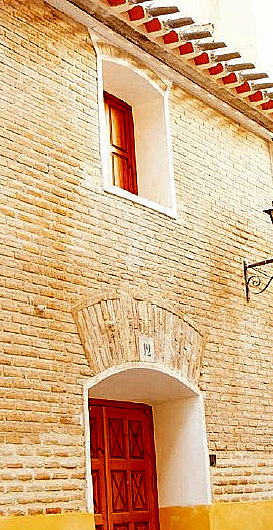 The convent is right next to the Glorieta, a shaded and characterful corner of the city, an excellent place to stop for a coffee after a walk around the old quarter.
Telephone 968 661501
The tourist office is open from Wednesday to Monday between 10am and 2pm and is closed on Tuesdays.
Click for map, Convento de San Francisco, Mula
For more information about visiting Mula, go to the Mula section of Murcia Today.
Mula is the gateway to the north-west of the Region of Murcia, its strategic location giving it importance from early pre-history.
It has a varied landscape, its rocky outcrops providing strategic defensive advantages, its fertile plains and wooded forests agricultural richness, its river and natural springs, life, with important archaeological remains from pre-history (Cueva Antón, Abrigo del Milano), the Argaricculture and above all the Iberian culture.
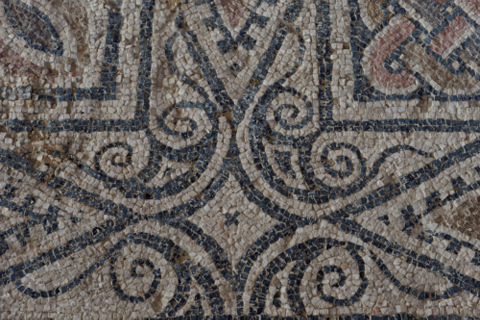 El Cigarralejo was an important settlement, to which the Museo El Cigarralejo is dedicated, and yielded vast quantities of Iberian artefacts from the burial ground (or necropolis) and hilltop settlement..The museum houses an unparallelled collection of Iberian grave goods and is a reference point for those interested in the iberian culture.
These cultures were followed by the Romans, cultivating olive oil and wine, and the Villaricos Villa is a large-scale example with thermal baths. Then came the Moors, who built the town in its 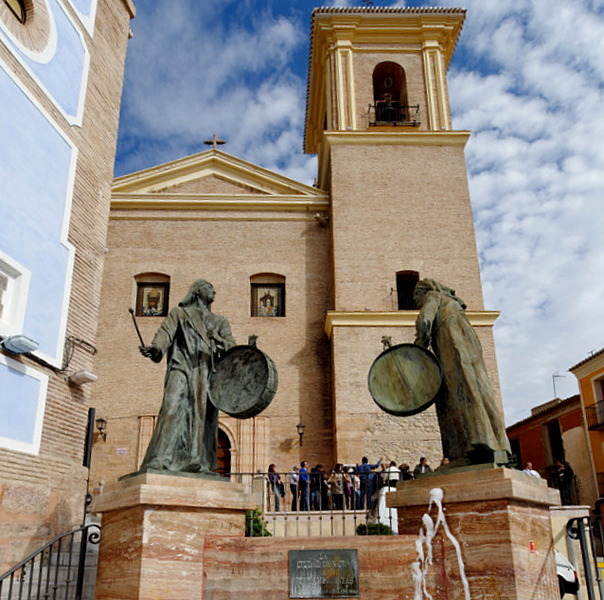 current position and also left behind the castle of Alcalá, high above the motorway heading towards Caravaca.
Medieval Mula was dominated by the Fajardos, who became the Marqueses de los Veléz and built the castle of los Veléz, which dominates the Mula skyline above the historic old quarter with its noble palaces. These include the Casa Pintada, now an art museum housing a Foundation dedicated to the internationally renowned artist Cristóbal Gabarrón.
Although the historic old quarter attracts a steady stream of visitors, the town is also known for its traditions, the best-known being its "tamboristas", who drum in the annual Semana Santa (Easter) celebrations. This takes place on the "Noche de las Tambores" in the main town square in front of the parish church of San Miguel.
Mula is also known for its dedication to the Niño de Balate, located in El Niño de Mula. An annual Romería is held in September and there are plenty of other local fiestas.
The main economic activity is agriculture, producing a mixture of dry crops including olives, wheat and grapes, as well as irrigated soft fruit crops, but there is also another important product: energy, as new 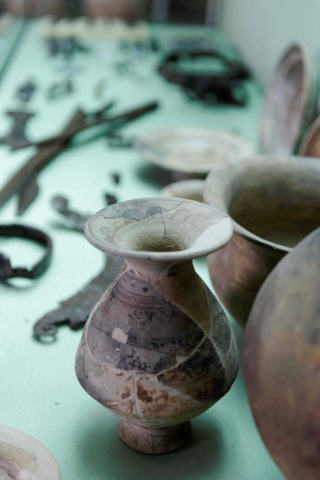 technologies have created an important solar power sector in the north-west of Murcia, bringing employment in associated industries.
Part of the Regional park of the Sierra Espuña is in Mula, as are the Sierra del Cambrón and Sierra de Ricote, giving it a richly varied landscape with forests, plains, dry karst gullies, rivers and rich agricultural orchards: all of these help to create rural tourism income.
Today Mula is home to around 17,000 inhabitants and is a busy, historic town, with a bustling old quarter and a new town at its foot, providing a complete cultural offering and an annual programme of fiestas and celebrations.
Location
Mula is located in the north-west of the Region of Murcia, forming part of the Comarca del Río Mula. Its northern boundaries coincide with those of Calasparra, Cieza and Ricote; on the east it borders Ricote, Campos del Río, Albudeite and Alcantarilla, to the south Librilla, Alhama de Murcia and Totana, and to the west Bullas, Cehegín and Lorca. In its centre is Pliego, surrounded completely by Mula.