









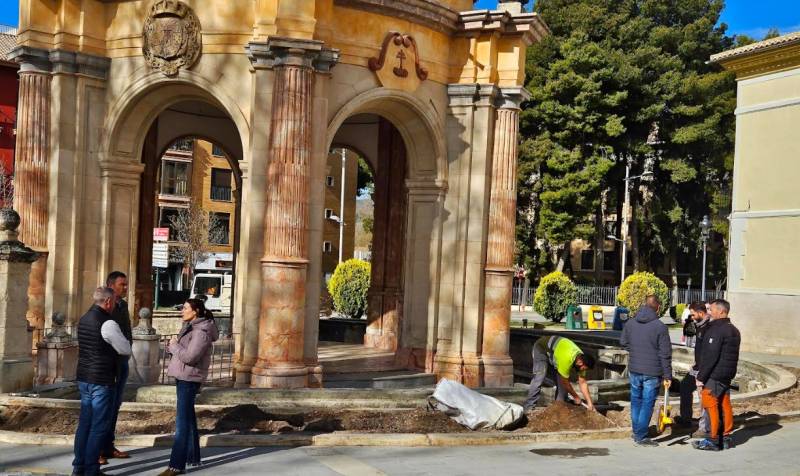



The “Templete”, a kind of elaborate historic pergola building in Caravaca de la Cruz, is one of the city’s most iconic monuments and is often referred to by locals simply as the "Bañadero", the bathing place, due to its significance in the Fiestas of the Santísima y Vera Cruz at the beginning of May. At the same time, it is he most instantly recognisable and iconic of the many historic buildings within the Holy City of Caravaca de la Cruz.
This year, with the fiestas and the Running of the Wine Horses only around 6 weeks away, the Town Hall has announced plans to beautify the garden area around the Templete through the planting of around 800 flowers and plants belonging to seven species, while at the same time updating the watering system and carrying out repairs on the stone surround. This falls within a larger-scale project which also involves the imminent planting of 2,000 seasonal flowers at various locations in the municipality including Gran Vía, Calle Ciruelos, Calle Asturias, Camino del Huerto, Calle Olivericas and Plaza Paco Pim.
As for the existing plants which are to be removed, they will be taken to other public spaces including the new Parque Mayrena.
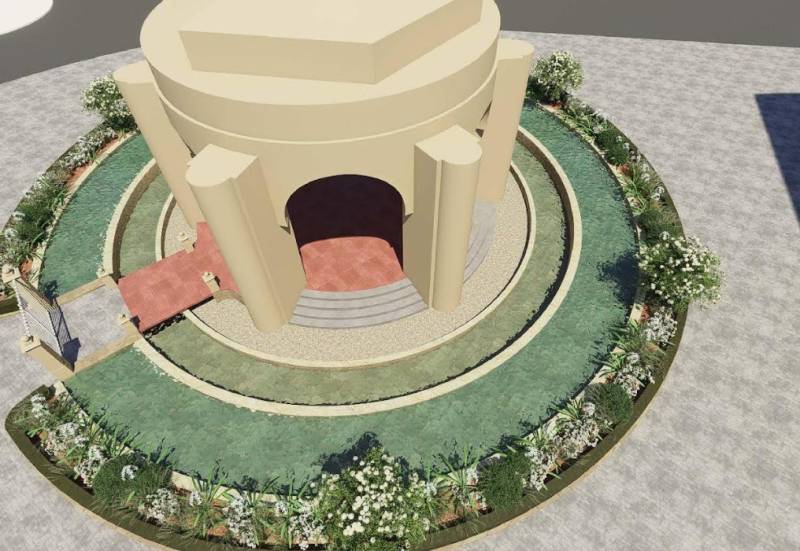 The Templete we see today was built in 1762 on the same location as a former chapel and stands above a water fountain which has been the scene of a ritual act of blessing the waters of the city and the outlying agricultural areas since at least 1384. Beneath it is the point at which the medieval irrigation channels joined, supporting agricultural activity in the land around Caravaca and therefore an important location, and was marked with a "Humilladero" in the shape of a cross, a symbol indicating its importance.
The Templete was completed in 1801 and has been at the centre of the key ritual of the annual Fiestas of the Santísima y Vera Cruz (the Cross of Caravaca, which is at the heart of the 7-yearly Holy Jubilee). These fiestas are celebrated in early May and on 3rd May the Cross is bathed in the waters of the Templete, blessing the waters of the town and all the lands around them.
Locals still take the water which is blessed on 3rd May to sprinkle on their plants and agricultural plots, and the remaining water is conserved by the Cofradía of the Santísima y Vera Cruz for use in religious activities throughout the year. The bathing of the cross takes place at 21.00 on the third day of the fiestas each year following a mock skirmish between the forces of the Moors and Christians, just before the Vera Cruz is triumphantly paraded to the church of El Salvador, followed by an enormous fireworks display.
For more local events, news and visiting information contact the local tourist office (telephone 968 702424) or go to the home page of Caravaca Today.
 More information about the places of interest which can be visited in the municipality of Caravaca de la Cruz, along with what's on and local news can be found in the Caravaca Today.
Caravaca de la Cruz, in the north-west of the Region of Murcia, is one of only 5 Holy Cities in the Roman Catholic world, a centre of pilgrimage, along with Rome, Jerusalem, Santiago de Compostela and Santo Toribio de Liebana, and is home to the Cross of Caravaca, the Vera Cruz.
The status of Holy City was bestowed by Pope John Paul II in 1998, granting the City a Permanent Jubilee year every 7 years for perpetuity, the first one held in 2003 and the next in 2024.
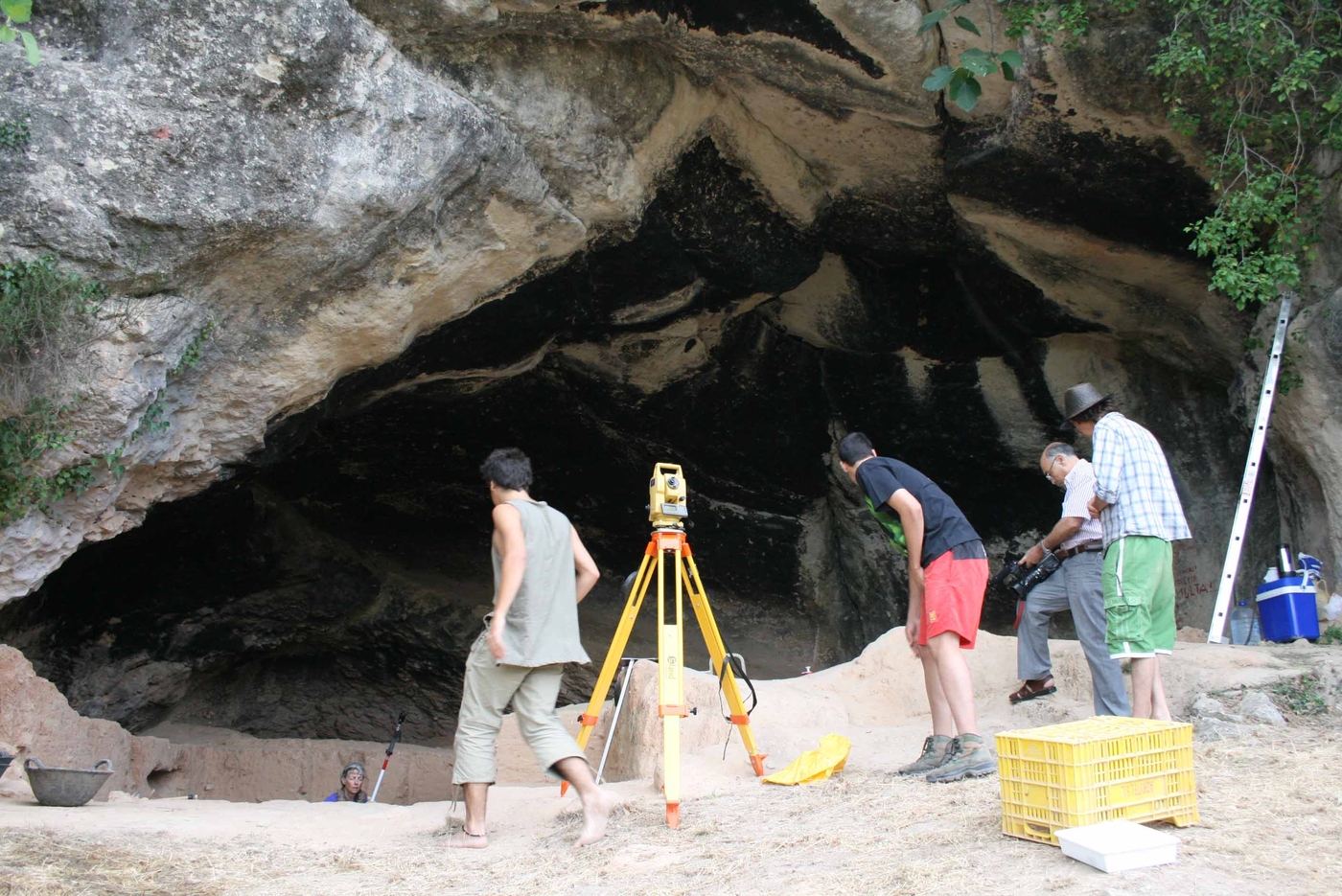
The strategic and natural advantages of Caravaca de la Cruz have attracted the attention of settlers for more than 800,000 years, the Cueva Negra yielding remains of Homo Heidelbergensis, forbears of the Neanderthals and the municipality also houses important archaeological remains from the Argaric, Iberian and Roman cultures. many of these can be seen in the Municipal Archaeological Museum.
 As a border town caught between the Catholic forces of Castille and the last remaining Moorish stronghold in Spain, Granada, Caravaca had a turbulent medieval history, but it was during this period that the legend of the Cross of Caravaca was born, bringing the religious orders which shaped the structure of Caravaca today, with its impressive hilltop castle and eclectic collection of churches and monasteries, religious tourism today being a backbone of the town´s economy.
Caravaca de la Cruz is a municipality with important natural resources, including extensive forests, part of which have protected status due to their wealth of flora and fauna, and due to the abundant water supplies is also a major area for canned fruit production, apricots in particular being an important crop.
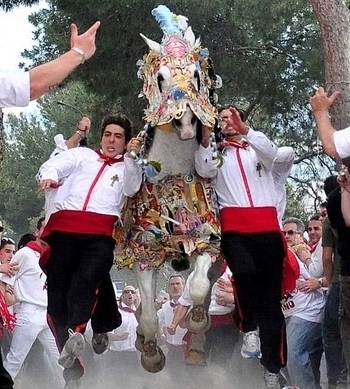
 Caravaca is renown for its important May Fiestas, held in honour of the Vera Cruz, which also incorporate the Moors and Christians celebrations and the Running of the Wine Horses.
Caravaca de la Cruz is also the home of Europe´s largest collection of ethnic instruments at Barranda, the Museo de Música Étnica Barranda and is the location of the Barranda festival de Cuadrillas, which celebrates the Region's ethnic music traditions.
The municipality is home to around 26,000 inhabitants and shares boundaries with Moratalla, Cehegín, Lorca, Puebla de Don Fadrique in the province of Granada and Vélez-Blanco in the province of Almería.
Tourist office opening times:
Weekdays: 10.00 to 14.00 and 16.30 to 19.30
Saturdays: 10.30 to 14.00 and 16.30 to 19.30
Sundays and public holidays: 10.30 to 14.00
Click for map, Caravaca de la Cruz Tourist Office