













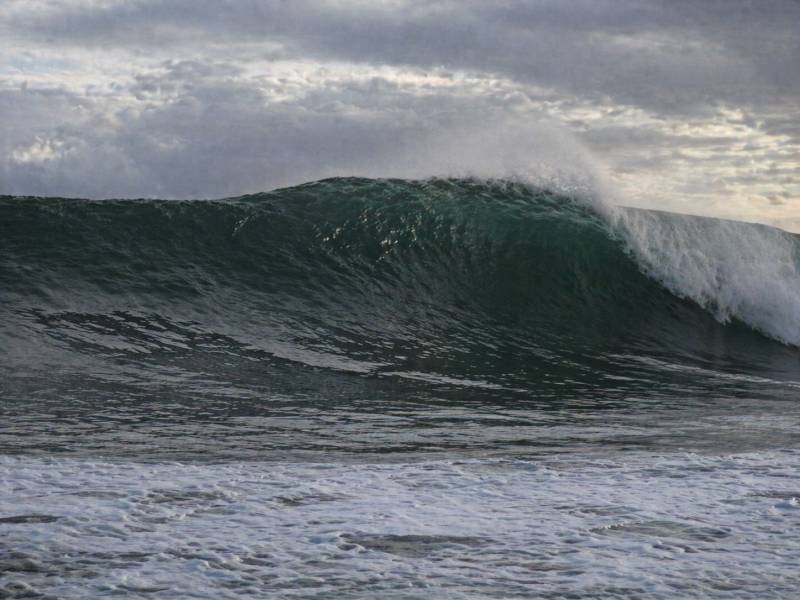
Research conducted in the Region of Murcia suggests that a future tsunami along the Mediterranean coast could be more destructive than anything recorded in our history. While the Mediterranean isn't usually associated with massive waves, this study suggests that the coastline may be far more vulnerable to tsunamis than previously thought.
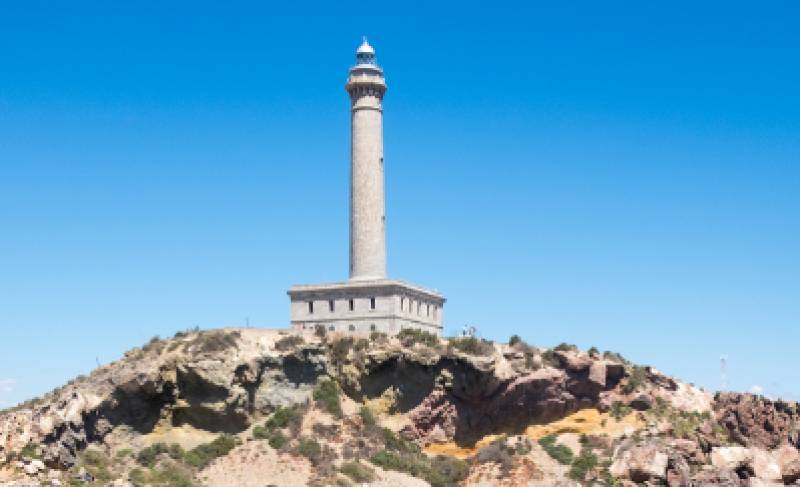
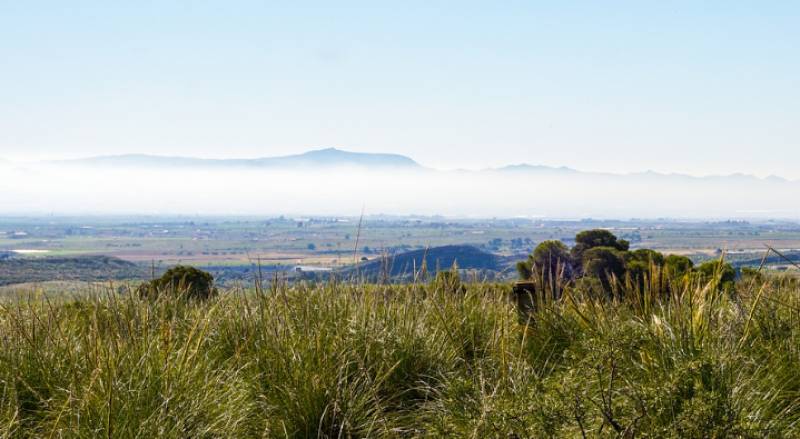
The focus of the study, published in the Journal of Iberian Geology, is a series of unusual rock formations at Cape Cope, just outside of Águilas. Here, researchers found massive boulders, some weighing nearly 18 tonnes, stacked in ridges several metres above the current sea level.
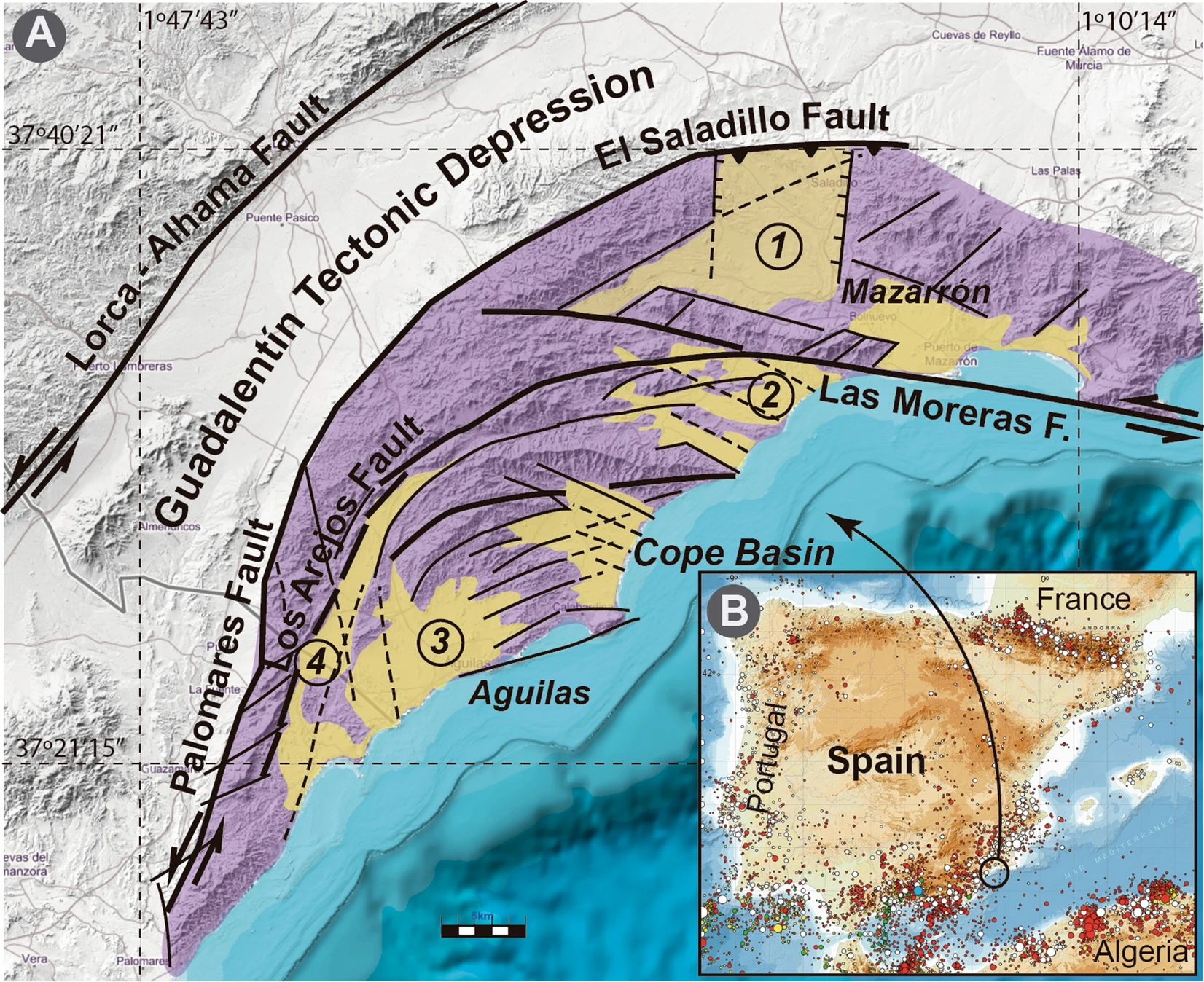 Researchers believe they were formed by a powerful wave event during the last few thousand years, most likely linked to seismic activity in the western Mediterranean.
Murcia is known to experience moderate earthquake activity, with recorded magnitudes of around 6-7. Despite this, there is very little direct evidence of tsunamis in modern records for the area. That is why the Cape Cope findings are so important.
Some of these blocks are more than four metres above current sea level and show signs of being pushed and stacked inland in a way that normal storm waves would struggle to do.
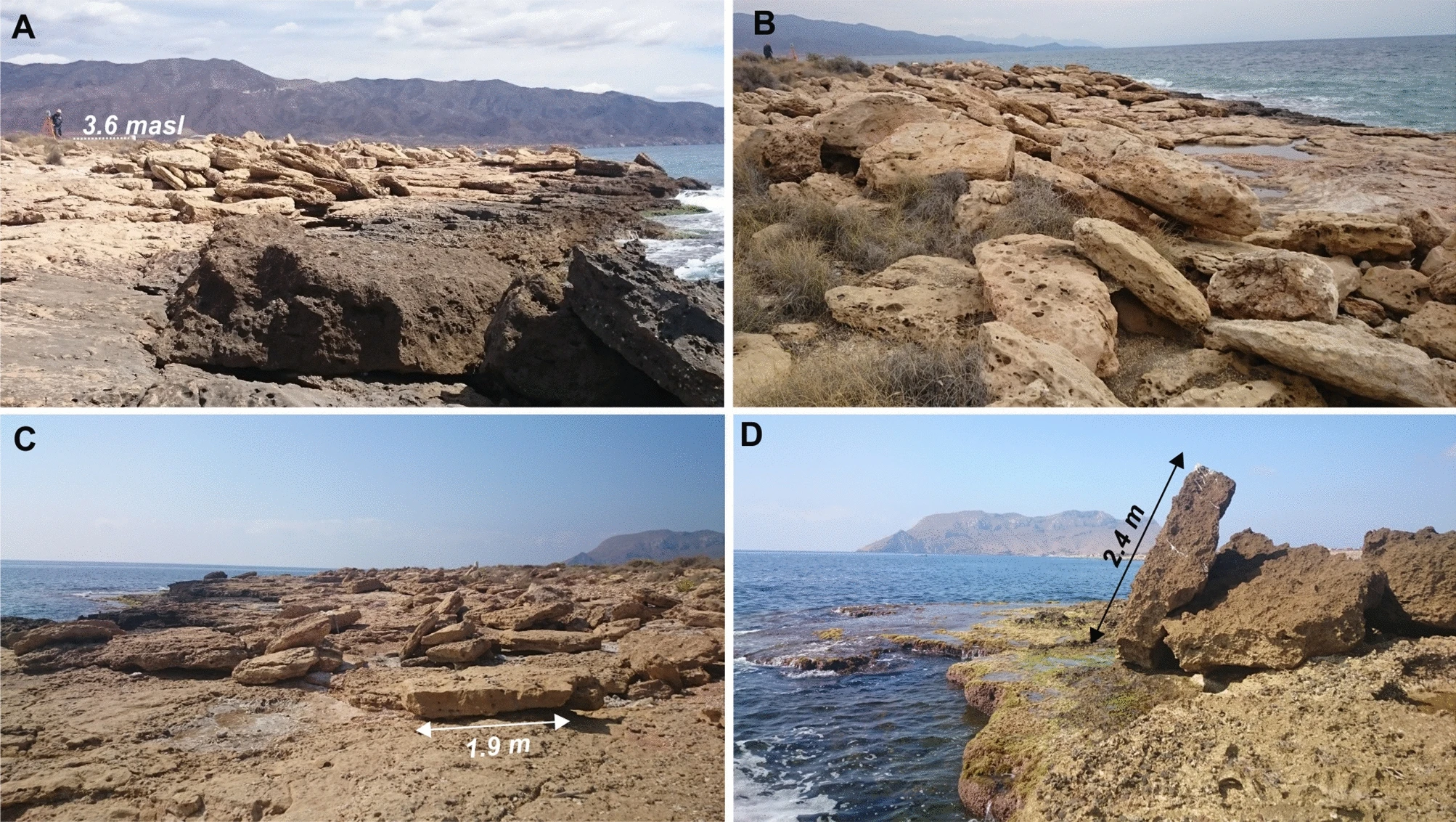 While storms in the Mediterranean can produce large waves, researchers say they do not usually have the force needed to shift multi-tonne rocks from their original position, especially not in the organised, layered patterns seen at Cape Cope.
Part of the difficulty in assessing the real tsunami risk is that there just isn't much to go on. Murcia has very few recorded tsunamis in modern history. It is an active seismic area, as the 2011 Lorca earthquake showed, but events in the sea are much rarer.
However, the Cape Cope findings change the timeline. By comparing the size and height of these boulders against data from the most extreme storms on record, researchers concluded that weather alone couldn't have moved them. The height and layered patterns point directly to a tsunami-scale event that likely occurred within the last few thousand years.
Perhaps the most worrying part of the study is not just what happened in the past, but what could happen now. The study warns that the Mediterranean coast is actually more at risk now than it was when those boulders were first moved. Decades of urban development and coastal erosion have stripped away the 'buffer zones' like sand dunes and wide beaches that traditionally soak up wave energy. As sea levels creep upward, any future tsunami wave starts from a higher jumping-off point, allowing it to travel much further inland than in previous centuries.
Essentially, because we have removed the coast’s natural resistance, the impact of an extreme wave today would be significantly more destructive.
The findings from Cape Cope add to growing evidence that tsunamis have affected different parts of Spain's Mediterranean and Atlantic coasts in the past.
Similar boulder formations have been found in places such as the Balearic Islands, Valencia, and Andalucía. In several cases, researchers believe only tsunami-scale energy could explain the movement of such large rocks far inland or high above sea level.
Historical records also confirm that Spain has experienced destructive tsunamis, including the well-known Lisbon earthquake and tsunami of 1755, which caused widespread damage along the southern coast and more than 1,000 deaths in Spain.
While tsunamis in the western Mediterranean are rare, they are not considered impossible.
The region is influenced by active fault systems, particularly in the western Mediterranean basin and northern Algeria, which are capable of generating large earthquakes under the sea, one of the key triggers for tsunamis.
Because of this, Spanish authorities already include tsunami risk in national emergency planning, with evacuation strategies and hazard mapping developed through agencies such as the National Geographic Institute and Civil Protection services.
By studying these '18-tonne fossils,' scientists can get a clearer picture of how high the water could go and how often these events happen. As more people choose to live along the coast, understanding these rare but powerful events matters more than ever when it comes to preparation.
Image 1: Archive
Images 2-3: The Journal of Iberian Geology
Sign up for the Spanish News Today Editors Roundup Weekly Bulletin and get an email with all the week’s news straight to your inbox
Special offer: Subscribe now for 25% off (36.95 euros for 48 Bulletins)
Read some of our recent bulletins:
Discount Special Offer subscription:
36.95€ for 48 Editor’s Weekly News Roundup bulletins!
Please CLICK THE BUTTON to subscribe.
(List price 3 months 12 Bulletins)