








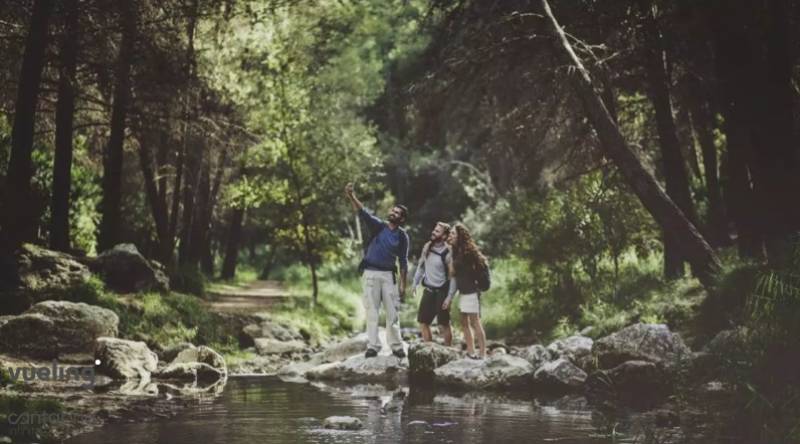




 One of two recommended short cycling trips for those who are not accompanied by small children, this route is entitled “Culture, Water and Roots” and covers a distance of approximately 50 kilometres, 70% of them on roads and the remainder on dirt tracks.
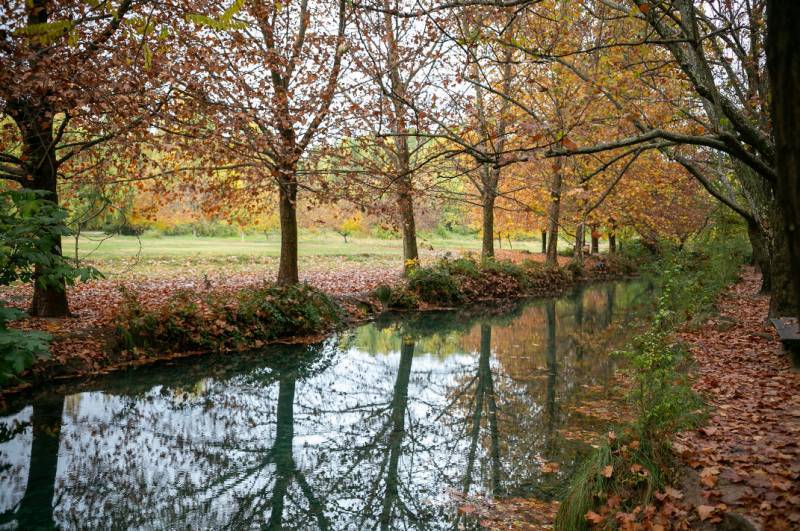
Initially cyclists pass the local monument of Templete (where the ceremony of the Bathing of the Cross takes place every year on 3rd May during the annual Fiestas since it was built in 1762 on the same location as a former chapel) to the beauty spot and park of Las Fuentes del Marqués, an ideal place to escape the milling crowds and enjoy the great outdoors. So treasured is the site that a special management team is charged with ensuring that it does not become overcrowded or spoilt and that the natural surroundings are fully respected, and within the park is the Torreón de los Templarios, a name evoking the age of the Knights Templar, although the building that we see today was actually part of a residential complex belonging to the estates of the noble family, the Marquises de Uribe.
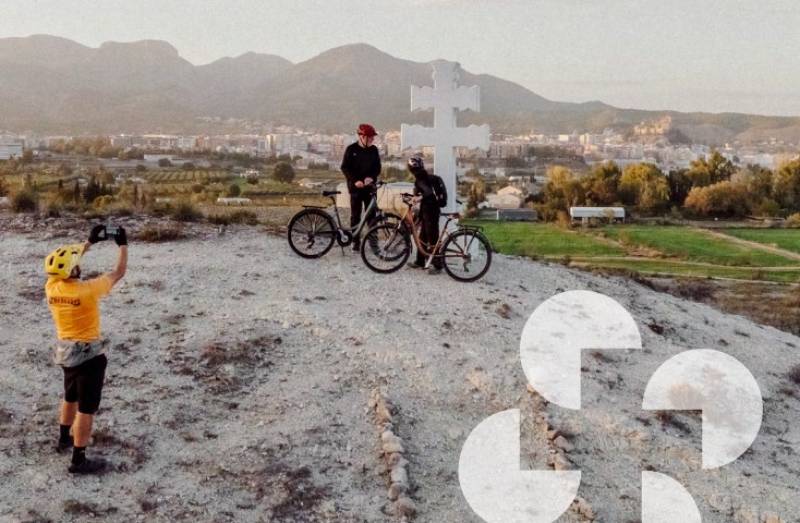
 Then it’s out into the countryside as you head for the archaeological site of Cerro de la Fuente. Just a kilometre north of the village of Archivel, where the findings include evidence of human occupation as long ago as the third millennium BC and from the Argaric culture a few hundred years later. A Roman castle was also built here and is signalled by a sculpture, and the site is dominated by a large statue of Christ with his arms outstretched Rio de Janeiro-style!
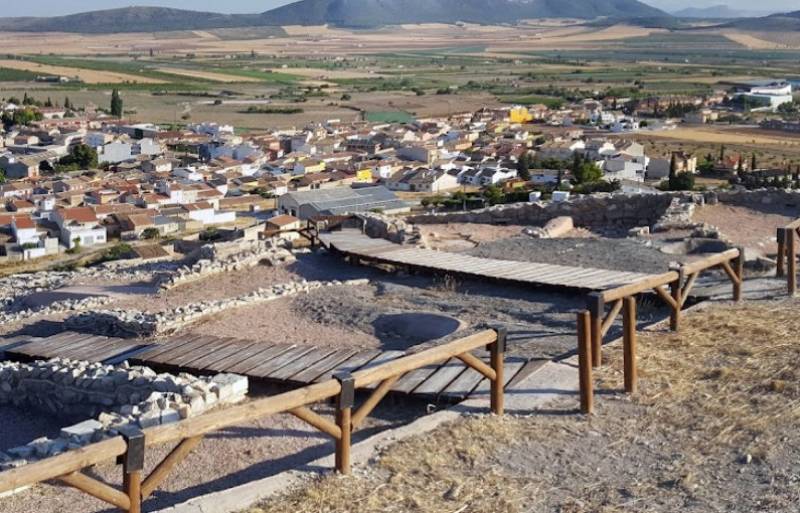 The top of the hill reaches an altitude of around 1,000 metres above sea level, affording superb views over the village and the surrounding countryside.
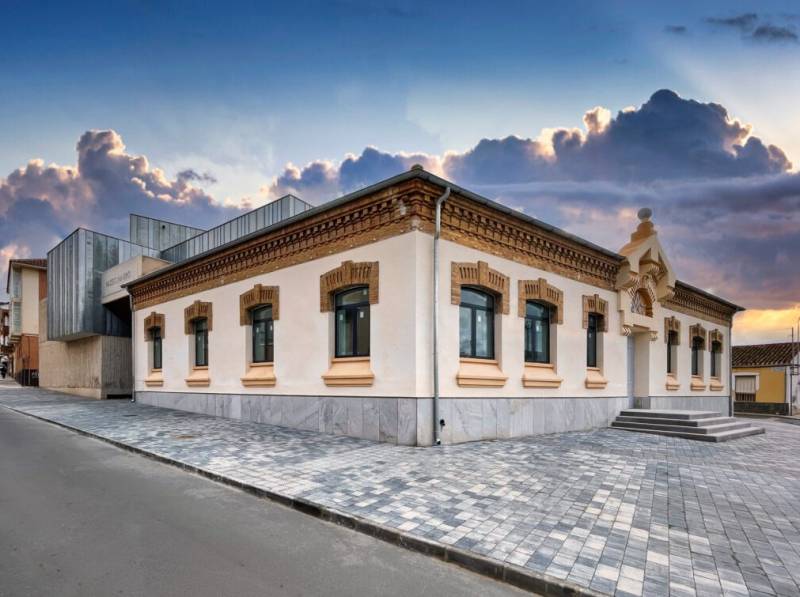
You can then drop into the village of Barranda and visit the Ethnic Music Museum, or if you prefer not to break your momentum too much head on directly to another archaeological site: La Cabezuela, where there are the remains of a Roman tower and other constructions dating back to the 1st century BC.
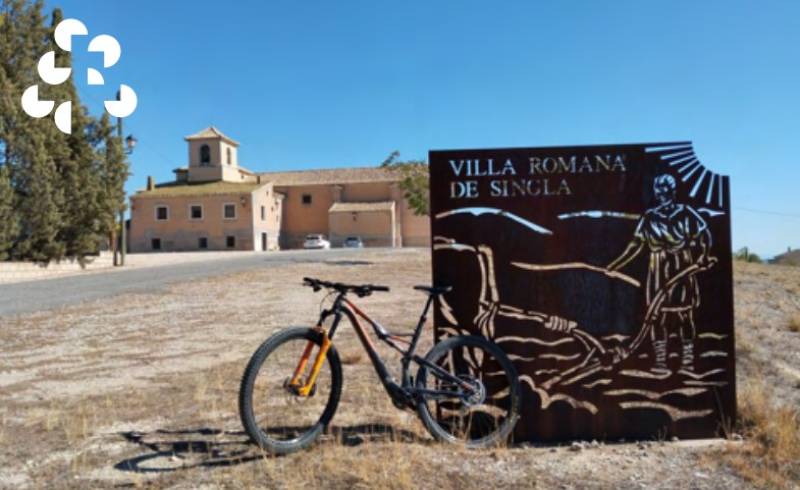
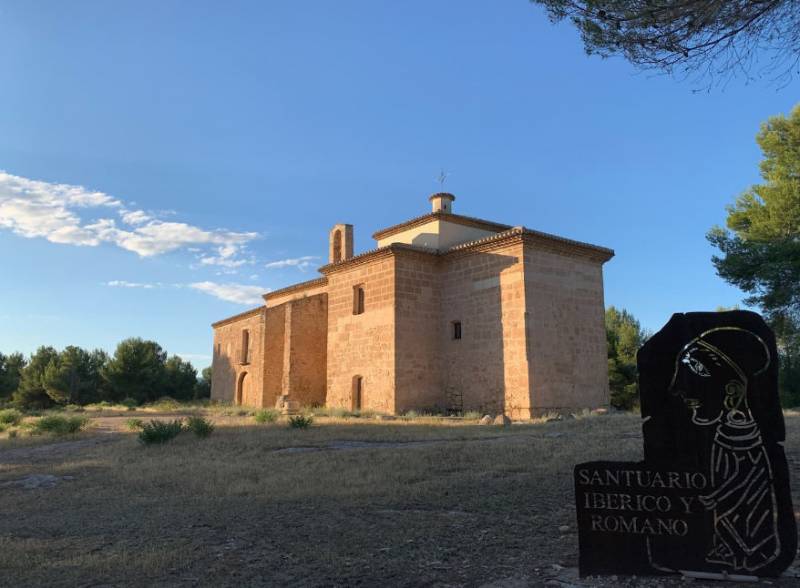
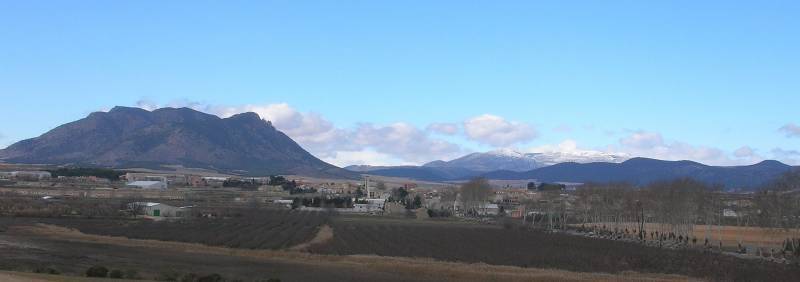 Next, it’s onwards to the water springs of La Tosquilla and Navares before a visit to yet more ancient history at the remains of the Roman villa of Singla, and then to the fascinating little hamlet of La Encarnación. In very few places of such insignificance in modern times can there be such a wealth of archaeological treasures as here, with evidence of early hominids from 400,000 years ago having been found in nearby Cueva Negra, the old chapel of the Virgen de las Cuevas (built on a site which was held sacred by the Romans in the 2nd century) and a sanctuary – clearly a very special place for settlers throughout the ages!
 Also nearby are the remains of the “Cueva del Rey Moro” (Cave of the Moorish King), an interesting fortification looking out over the communications route which led to the Islamic Kingdom of Andalucia.
After that, a ride back to Caravaca for some welcome refreshments!
Including stops, this route is estimated to take a leisurely 3 and a half hours or so. and another route is also suggested which follows a very similar path.
More complete details of this and other routes can be found at the Caravaca tourism website here: another route is also suggested which follows a very similar path to this one.
For more local events, news and visiting information contact the local tourist office (telephone 968 702424) or go to the home page of Caravaca Today.
 More information about the places of interest which can be visited in the municipality of Caravaca de la Cruz, along with what's on and local news can be found in the Caravaca Today.
Caravaca de la Cruz, in the north-west of the Region of Murcia, is one of only 5 Holy Cities in the Roman Catholic world, a centre of pilgrimage, along with Rome, Jerusalem, Santiago de Compostela and Santo Toribio de Liebana, and is home to the Cross of Caravaca, the Vera Cruz.
The status of Holy City was bestowed by Pope John Paul II in 1998, granting the City a Permanent Jubilee year every 7 years for perpetuity, the first one held in 2003 and the next in 2024.
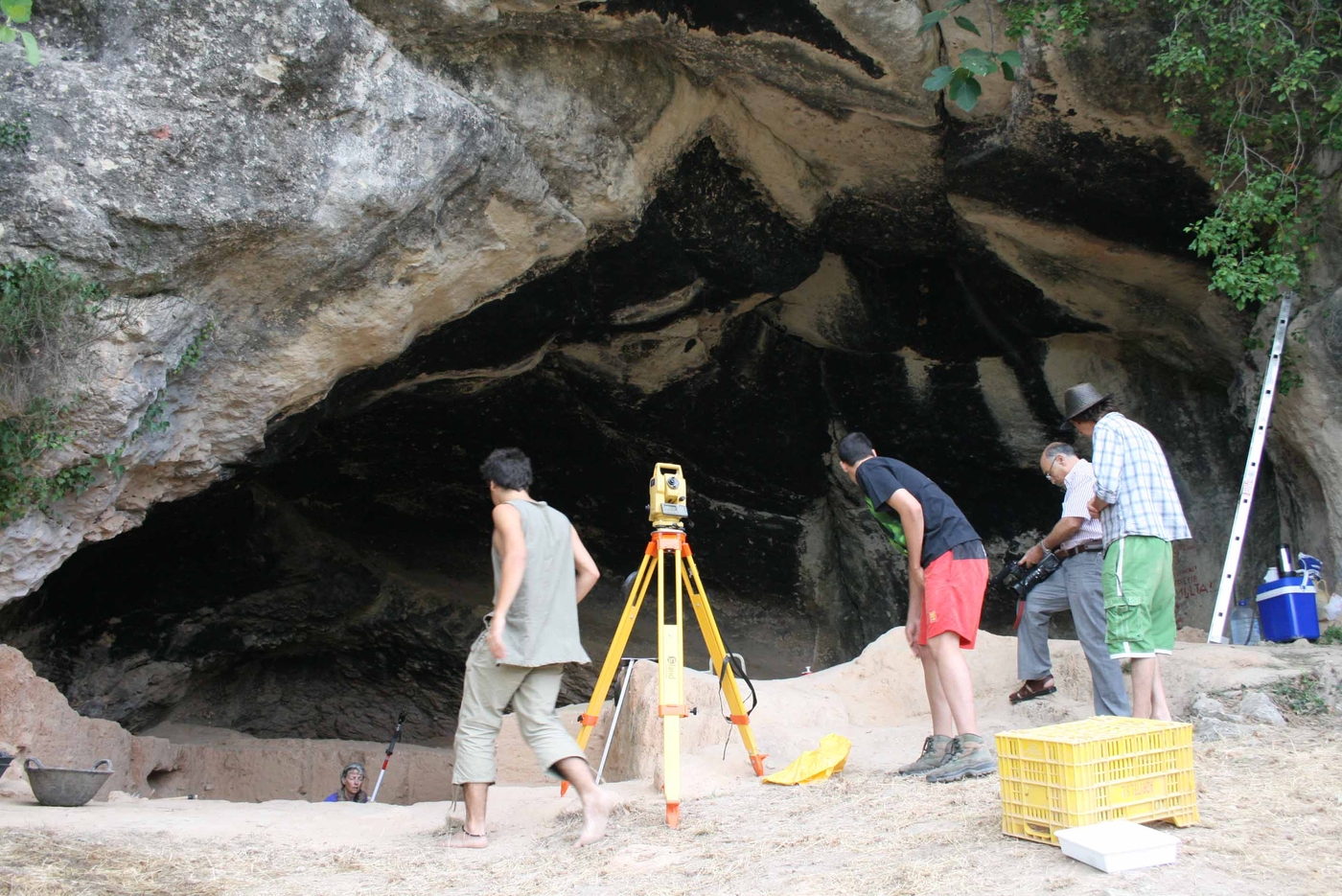
The strategic and natural advantages of Caravaca de la Cruz have attracted the attention of settlers for more than 800,000 years, the Cueva Negra yielding remains of Homo Heidelbergensis, forbears of the Neanderthals and the municipality also houses important archaeological remains from the Argaric, Iberian and Roman cultures. many of these can be seen in the Municipal Archaeological Museum.
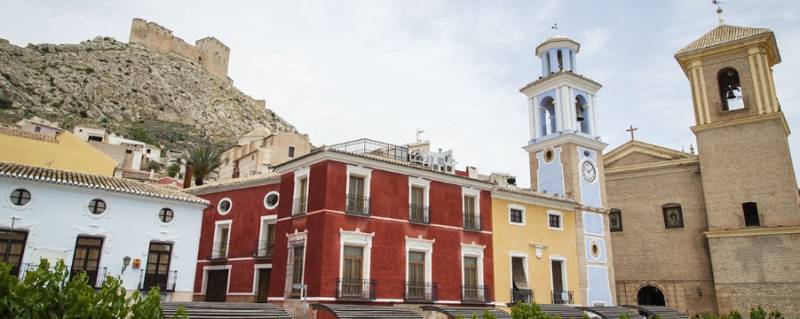
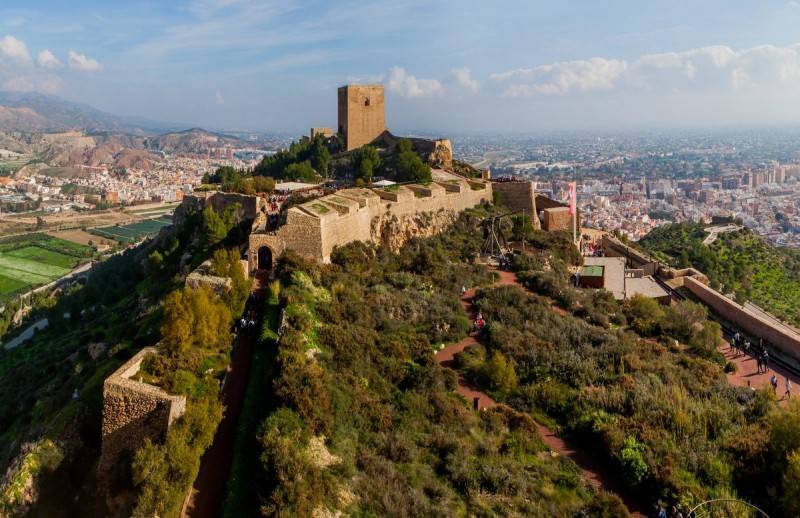
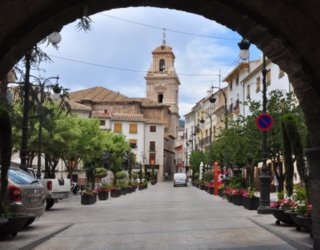
 As a border town caught between the Catholic forces of Castille and the last remaining Moorish stronghold in Spain, Granada, Caravaca had a turbulent medieval history, but it was during this period that the legend of the Cross of Caravaca was born, bringing the religious orders which shaped the structure of Caravaca today, with its impressive hilltop castle and eclectic collection of churches and monasteries, religious tourism today being a backbone of the town´s economy.
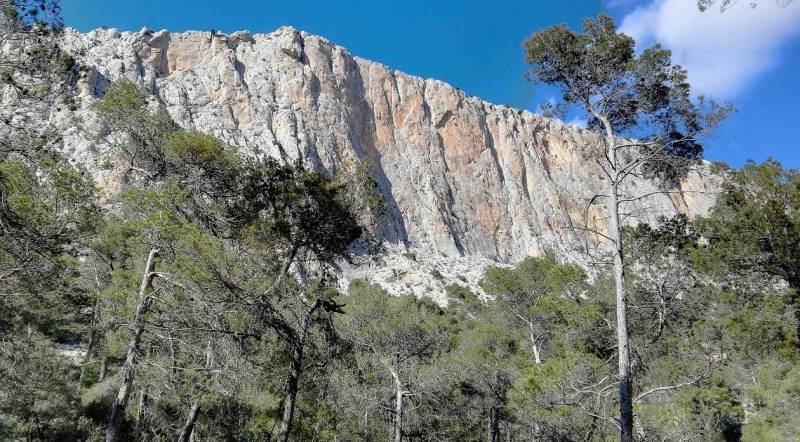
Caravaca de la Cruz is a municipality with important natural resources, including extensive forests, part of which have protected status due to their wealth of flora and fauna, and due to the abundant water supplies is also a major area for canned fruit production, apricots in particular being an important crop.
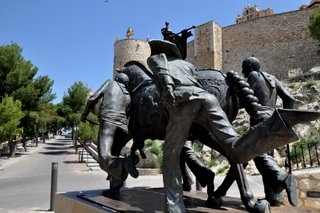
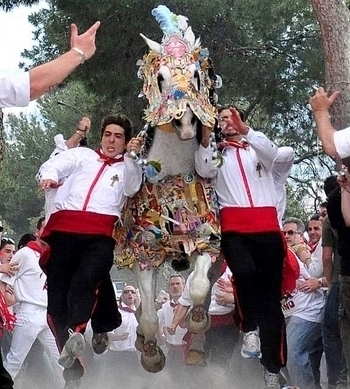
 Caravaca is renown for its important May Fiestas, held in honour of the Vera Cruz, which also incorporate the Moors and Christians celebrations and the Running of the Wine Horses.
Caravaca de la Cruz is also the home of Europe´s largest collection of ethnic instruments at Barranda, the Museo de Música Étnica Barranda and is the location of the Barranda festival de Cuadrillas, which celebrates the Region's ethnic music traditions.
The municipality is home to around 26,000 inhabitants and shares boundaries with Moratalla, Cehegín, Lorca, Puebla de Don Fadrique in the province of Granada and Vélez-Blanco in the province of Almería.
Tourist office opening times:
Weekdays: 10.00 to 14.00 and 16.30 to 19.30
Saturdays: 10.30 to 14.00 and 16.30 to 19.30
Sundays and public holidays: 10.30 to 14.00
Click for map, Caravaca de la Cruz Tourist Office