Guidelines for submitting articles to Mar Menor Golf Resort Today
Hello, and thank you for choosing Mar Menor Golf ResortToday.com to publicise your organisation’s info or event.
Mar Menor Golf Resort Today is a website set up by Murcia Today specifically for residents of the urbanisation in Southwest Murcia, providing news and information on what’s happening in the local area, which is the largest English-speaking expat area in the Region of Murcia.
When submitting text to be included on Mar Menor Golf Resort Today, please abide by the following guidelines so we can upload your article as swiftly as possible:
Send an email to editor@spaintodayonline.com or contact@murciatoday.com
Attach the information in a Word Document or Google Doc
Include all relevant points, including:
Who is the organisation running the event?
Where is it happening?
When?
How much does it cost?
Is it necessary to book beforehand, or can people just show up on the day?
…but try not to exceed 300 words
Also attach a photo to illustrate your article, no more than 100kb
article_detail
Date Published: 05/03/2026
Spain to send frigate to Cyprus after Iranian drone attack
ARCHIVED ARTICLE -
The Spanish government will deploy its most advanced naval frigate as part of a European defensive mission in the eastern Mediterranean
Spain will send one of its most technologically advanced warships to the eastern Mediterranean in response to the recent Iranian drone attack on a British military base in Cyprus, joining several European countries that have already moved to support the island.
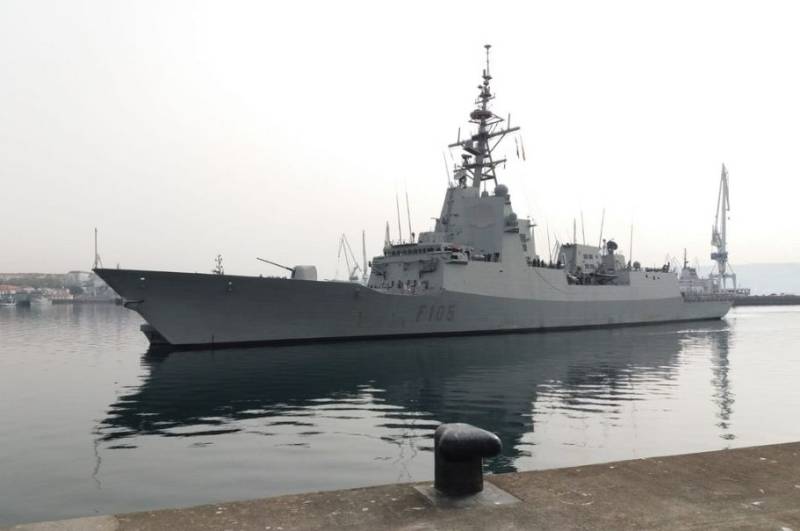
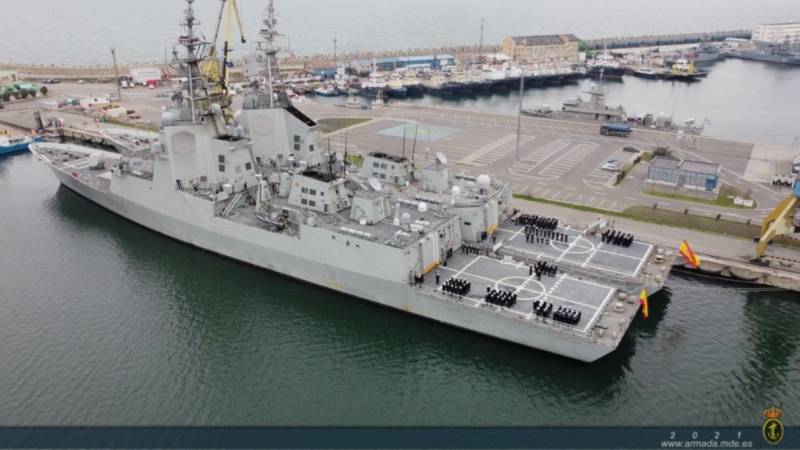
The Spanish government confirmed that the frigate Cristóbal Colón will be deployed as part of a defensive mission aimed at protecting naval forces and strengthening air defence capabilities in the region. The move represents Spain’s first direct military involvement since tensions escalated following the attack on the British air base at Akrotiri last Sunday.
Several European partners have already stepped in to assist Cyprus after the strike, which was carried out using an Iranian-made drone. Greece, France and the United Kingdom have each increased their military presence or provided support to the island in the aftermath of the attack.
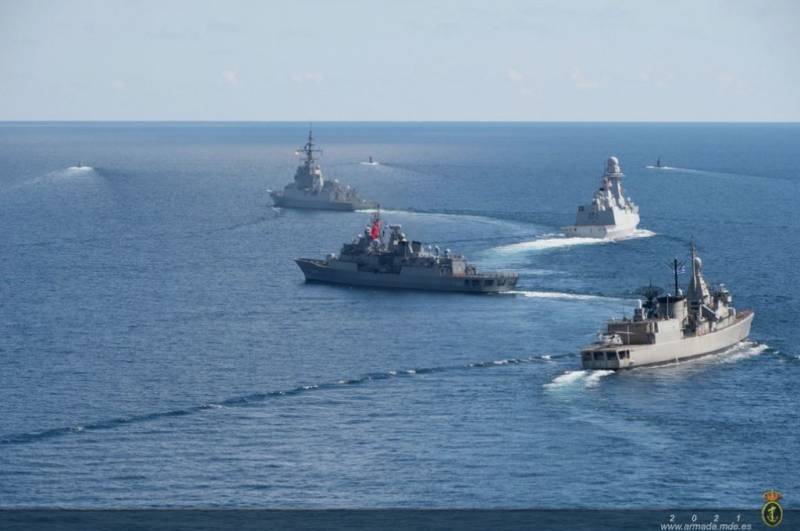
According to the Ministry of Defence, the Cristóbal Colón joined a naval group in the Baltic Sea last Tuesday where it began escort, protection and advanced training duties. The frigate is scheduled to reach waters off the coast of Crete on March 10, where it will take on a key role within the fleet.
A Spanish supply vessel, the Cantabria, will also depart to support the mission. Its role will be to refuel ships and provide logistical assistance as the naval group crosses the Gulf of Cádiz on its way towards the eastern Mediterranean.
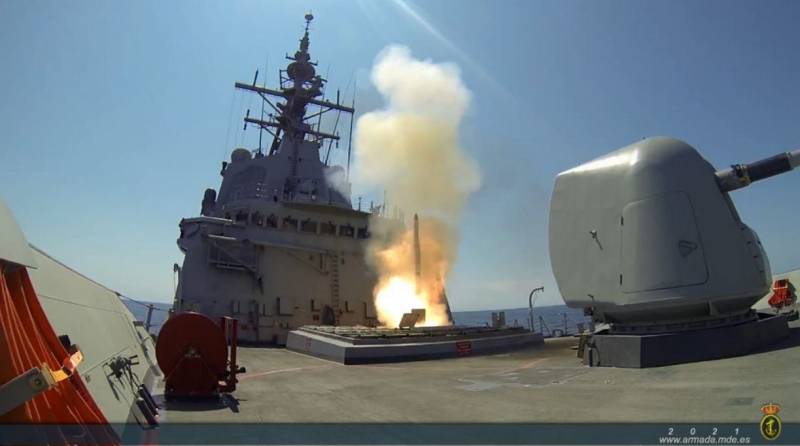
Once in position, the Cristóbal Colón will take responsibility for air defence and protection of the fleet. Spanish officials say the deployment is intended to reinforce European security cooperation and strengthen collective defence capabilities in the region.
The frigate will operate alongside other defensive assets already deployed by European allies. These include the Patriot air defence system stationed in Turkey, which has been positioned to help counter potential aerial threats in the wider area.
Spanish authorities have also indicated that the vessel will be prepared to assist with humanitarian operations if the situation deteriorates further. In the event of civilian casualties or displacement, the ship could be used to help evacuate affected people from conflict areas.
Cyprus itself is not a member of NATO, but is currently sitting as the President of the Council of the European Union. The government in Nicosia has requested assistance from European partners following the attack.
Greece has already dispatched two frigates as well as F-16 fighter jets to support security efforts around the island. France has deployed both a frigate and its aircraft carrier Charles de Gaulle to the region, partly to facilitate the evacuation of French nationals who were caught in the escalating tensions. The United Kingdom has also reinforced its military presence in Cyprus.
The government argues that the drone strike on the British base represents an act of aggression that violates international law. From Madrid’s perspective, providing defensive assistance to Cyprus is therefore a legitimate act of solidarity with a partner facing an external attack.
Prime Minister Pedro Sánchez expressed Spain’s support shortly after the incident. On Monday, following the strike, he sent a message of “full support and solidarity” to Cypriot President Nikos Christodoulides.
Spain’s defence minister, Margarita Robles, has also addressed the government’s stance in public comments. Speaking in an interview with the Spanish radio network Cadena SER, she said that if Cyprus requested assistance to protect the island, the possibility would be “considered and evaluated”.
Robles stressed that Spain remains a committed ally within the international system, highlighting the country’s obligations to organisations such as the United Nations, NATO and the European Union.
At the same time, she reiterated that Spain’s overall position on the broader conflict remains firmly focused on diplomacy rather than military escalation. According to Robles, the government’s actions have been consistent and based on both legal and ethical considerations.
She insisted that Spain “is firmly committed to peace” and made clear that the government believes diplomatic solutions should be prioritised over armed confrontation.
Robles also defended the decision not to allow US forces to use the bases at Rota and Morón for operations connected to the conflict. She said Spain would not permit the facilities to be used “in this context”, arguing that the situation lacks sufficient international backing and does not provide a clear legal framework for such actions.
Despite that refusal, the deployment of the Cristóbal Colón signals Spain’s willingness to contribute to European security efforts as tensions continue to grow in the eastern Mediterranean.