


















Relocating to southeastern Spain can feel like stepping into a gentler rhythm of life. The climate, the pace and the access to outdoor space can support wellbeing. But for people living with serious, long-term conditions, the reality is more complex. Chronic pain does not disappear with a change in scenery and structured medical care remains essential.
There is a persistent idea that moving to the Mediterranean offers a kind of reset for physical health. In practice, severe and treatment-resistant conditions rarely respond to climate alone. They require consistent, supervised care within Spain’s healthcare system, especially when standard medications have already failed.
The Reality of Complex Diagnoses Abroad
Relocation brings lifestyle changes, but underlying pathology stays the same. Refractory chronic pain refers to ongoing physical distress that does not respond to conventional treatments. This can include conditions such as complex regional pain syndrome, advanced osteoarthritis and neuropathic damage linked to systemic illness.
Managing these conditions depends on access to specialist care, not environmental change. For expats, one of the first hurdles is communication. Explaining nuanced symptoms across a language barrier can slow down diagnosis and complicate treatment adjustments. That matters when medication timing, dosage and interactions need to be precise.
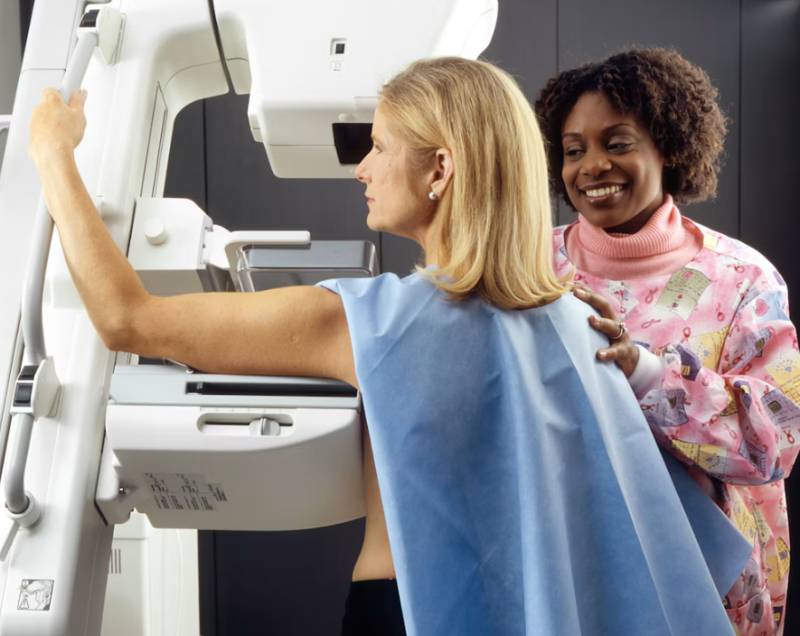
Spain’s healthcare system follows a structured pathway. Patients typically move from general practitioners to specialist-led pain clinics in hospital settings.
These multidisciplinary centres focus on interventional techniques, rehabilitation and carefully controlled prescription plans. Within this framework, treatment options may include regulated use of medical weed, but only after a formal clinical assessment. Suitability is determined on a case-by-case basis and unsupervised use carries clear risks. For more information, read about medical cannabis in Spain.
Navigating Regulatory Frameworks in Spain
Healthcare in Spain is decentralised, which means each region manages aspects of delivery differently. In Murcia, access to specialist care depends on either registration with the regional health system or private insurance.
Without that registration, accessing public pain clinics becomes difficult. Private pathways can offer quicker entry to bilingual specialists, particularly in larger urban areas. Either route requires an understanding of how Spain regulates controlled medications.
Prescription frameworks are tightly governed. The Spanish Agency for Medicines and Health Products sets national standards, ensuring that treatments meet strict safety and evidence requirements. This includes oversight of dosage, formulation and potential contraindications.
The legal status of certain therapies, including medical cannabis, continues to evolve under national review. For now, any use must sit firmly within approved medical channels. Patients are expected to remain under continuous supervision, with documented follow-up. Anything sourced outside official pharmacies introduces both legal risk and serious safety concerns.
Evaluating Modern Clinical Pathways for Patients
When first-line treatments, such as gabapentinoids, tricyclic antidepressants or opioids, stop working, specialists look to second-line options. Chronic pain is rarely one-dimensional, so treatment often becomes multidisciplinary.
In Murcia’s hospital system, this can include procedures like radiofrequency ablation, spinal cord stimulation and structured rehabilitation programs. Alongside these, there is growing clinical interest in cannabinoid-based therapies.
Research into medical cannabis focuses on how specific compounds interact with the body’s endocannabinoid system, which plays a role in regulating pain signals. In tightly controlled settings, medical cannabis may be considered for certain neurological conditions.
Evidence suggests potential benefits in some cases, though research is still developing and far from definitive.
Importantly, these therapies are never used in isolation. They sit within a broader treatment strategy that combines medication, physical therapy and psychological support. Before introducing any new option, specialists assess several factors:
This level of scrutiny is what keeps complex treatment plans safe and effective.
The Importance of Professional Medical Supervision
When pain is persistent, the temptation to adjust treatment independently can be strong. In reality, unsupervised changes carry significant risks. Altering dosages without oversight can trigger withdrawal effects, organ strain or acute complications.
Medical teams rely on objective data to guide decisions. Blood tests, liver function monitoring, and renal assessments are standard parts of ongoing care. These checks allow clinicians to track how the body responds and to intervene quickly if something shifts.
Supervision also helps distinguish between genuine progress and short-term symptom relief. That distinction matters when evaluating therapies like medical cannabis or other emerging options. Clinicians ensure that any treatment introduced is consistent, standardised and sourced through regulated channels.
This reduces the risk of contamination and dosage variability.
Establishing Long-Term Care Continuity in Murcia
For expats, continuity of care is often the biggest challenge. Moving countries disrupts established treatment routines and rebuilding them takes planning.
The first step is documentation. Bringing translated medical records, diagnoses, imaging and prescription history gives Spanish specialists a clear starting point. Without that context, treatment can stall or be unnecessarily repeated.
Early engagement with local providers is just as important. Waiting too long to connect with a GP or specialist can lead to gaps in medication access, which is risky for anyone managing a complex condition.
Murcia offers access to a structured healthcare network, but it requires navigation. Establishing relationships with local clinicians, understanding referral pathways and maintaining regular follow-ups are what make long-term care sustainable.